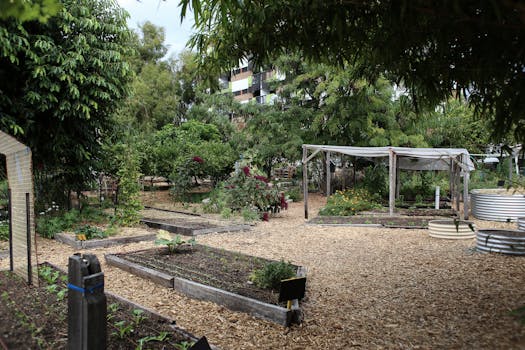
Ever stood at the garden center, staring at a bewildering array of mulch options, and wondered: what truly makes one “better” than another? It’s a question that goes far beyond mere aesthetics; the best mulch for landscaping is a strategic choice that impacts plant health, soil vitality, and the overall resilience of your outdoor space. We’re not just talking about covering bare earth; we’re diving deep into the functional heart of mulch, exploring how different materials perform, what benefits they offer, and how to align them with your unique garden aspirations. Let’s move past the generalities and explore the nuanced world of mulching.
The Unseen Architects: How Mulch Fortifies Your Soil
It’s easy to overlook the humble mulch, but its contributions to the soil ecosystem are profound. More than just a decorative topping, mulch acts as a living blanket, a silent guardian of your garden’s foundation. Understanding its primary roles can help clarify what to look for when selecting the best mulch for landscaping.
Moisture Retention: One of the most immediate benefits is its ability to significantly reduce water evaporation from the soil surface. This means less frequent watering, healthier plants during dry spells, and a more sustainable approach to garden care.
Temperature Regulation: Mulch acts as an insulator. In summer, it keeps the soil cooler, protecting delicate root systems from scorching heat. In winter, it helps prevent drastic freeze-thaw cycles that can damage plants and disrupt soil structure.
Weed Suppression: A good layer of mulch forms a physical barrier, blocking sunlight from reaching weed seeds and significantly hindering their germination. This translates to less time spent on back-breaking weeding and healthier competition for your desired plants.
Erosion Control: On slopes or exposed areas, mulch can prevent soil from being washed away by rain or wind. It helps bind the soil particles together, safeguarding your precious topsoil.
Navigating the Organic Spectrum: A Deep Dive into Wood and Bark Mulches
When people think of mulch, often their minds immediately go to the ubiquitous wood and bark products. These are popular for good reason, offering a balance of aesthetics and function. However, the devil, as always, is in the details. What kind of wood? What size chips? These choices matter.
#### Wood Chips: The Versatile Workhorse
Shredded Wood: This is a highly versatile option, often derived from various hardwoods and softwoods. It breaks down slowly, providing long-term soil improvement. Its smaller particle size allows it to intermingle and create a dense mat, excellent for weed suppression.
Chipped Bark: Available in various grades, from fine to coarse, chipped bark is a classic choice. Finer grades are great for vegetable gardens and around smaller perennials, while coarser grades offer a more dramatic look and last longer. Look for options like pine bark, cedar bark, or fir bark, each offering unique textures and aromas. Cedar, in particular, has natural insect-repelling properties, which can be a bonus.
Hardwood vs. Softwood: Hardwood mulches generally break down more slowly and add more nutrients to the soil over time, making them a fantastic long-term investment. Softwood mulches, like pine or fir, tend to be more acidic and might be better suited for acid-loving plants, though their impact is often minimal in the broader landscape.
Beyond Wood: Exploring Other Organic Powerhouses
While wood and bark dominate the market, a closer look reveals other organic materials that excel in specific situations. Considering these alternatives can lead to a truly customized approach to the best mulch for landscaping.
#### Compost: The Ultimate Soil Enhancer
The Nutrient Powerhouse: High-quality compost is, in essence, a decomposed organic material that has reached a stable, humus-like state. Applying a layer of compost as mulch is akin to giving your soil a direct nutrient boost. It improves soil structure, increases water-holding capacity, and fosters a thriving microbial community.
When to Use It: Compost is excellent around established perennial beds, vegetable gardens, and around trees and shrubs. It’s not always the most aesthetically striking on its own, so some gardeners prefer to top a layer of compost with a more decorative mulch.
#### Straw and Hay: Economical and Effective Choices
Budget-Friendly Blooms: Straw (the dry stalks of grain plants) and hay (dried grass and clover) are incredibly cost-effective options. Straw is generally preferred as it’s less likely to contain weed seeds than hay.
Beneficial for Veggies: Both are fantastic for vegetable gardens, especially for crops like tomatoes and peppers, as they help keep fruits clean and prevent soil splash. They also decompose relatively quickly, adding organic matter back into the soil. However, they can blow around more easily than wood mulches.
The Case for Inorganic Mulches: When Durability Meets Design
Not all mulches need to break down to be effective. Inorganic mulches offer different benefits, particularly in terms of longevity and specific design aesthetics.
#### Gravel and Stone: The Long-Lasting Landscape
Timeless Appeal: Gravel, crushed stone, and decorative pebbles offer a clean, sophisticated look that can endure for years. They are perfect for xeriscaping, rock gardens, or areas where frequent replenishment isn’t desired.
Considerations: While they don’t decompose, they don’t add nutrients to the soil either. They can also absorb and radiate heat, which might be a concern in very hot climates. It’s also crucial to use a landscape fabric underneath to prevent weed growth and mixing with the soil.
Making the “Best” Choice: Aligning Mulch with Your Goals
So, how do we synthesize this information to determine the best mulch for landscaping for your specific needs? It’s a process of careful consideration.
What are you planting? Acid-loving plants might benefit from pine bark, while a general-purpose perennial bed might thrive with hardwood mulch.
What is your aesthetic goal? Do you prefer the natural look of shredded bark, the clean lines of gravel, or the rich, dark appearance of compost?
What is your maintenance capacity? If you prefer a ‘set it and forget it’ approach, a longer-lasting inorganic mulch or a coarse bark might be your best bet. If you don’t mind replenishing yearly and want to enrich your soil, organic options are superior.
What is your budget? Straw and certain wood mulches are generally more affordable than decorative stones or specialty barks.
Final Thoughts: Cultivating a Healthier Garden, One Mulch Layer at a Time
Ultimately, the pursuit of the best mulch for landscaping* isn’t about finding a single, universally perfect product. It’s about understanding the profound impact this simple layer has on your garden’s health, its resilience, and its beauty. It’s an opportunity to be both a steward of the environment and a thoughtful designer of your outdoor haven. By asking the right questions and exploring the diverse options available, you can make an informed decision that nourishes your soil, supports your plants, and brings you closer to the vibrant, thriving landscape you envision. Choose wisely, and watch your garden flourish.